
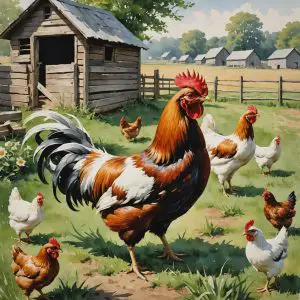
Everything You Need to Know to Start Raising Chickens: A Beginner’s Complete Guide
When it comes to raising chickens, choosing the right breed is crucial. There are many different breeds to choose from, […]
When it comes to raising chickens, choosing the right breed is crucial. There are many different breeds to choose from, […]

Guarding your chicken coop against sly foxes requires a mix of strategic measures. From sturdy wire fencing to motion sensor lights, there are various ways to keep your feathered friends safe from these cunning predators.

Chickens enjoy a variety of leafy greens, including collards. These nutrient-rich vegetables can be a wonderful addition to their diet, providing vitamins and minerals for overall health. Just be sure to wash them thoroughly and remove any tough stems before serving to your feathered friends.

Considering the cost of feed, bedding, and basic maintenance, keeping chickens for eggs can range from $200 to $500 a year. Additional expenses may include veterinary care and coop upgrades.
When it comes to keeping your poultry safe, it’s important to understand the potential threats that may be lurking in
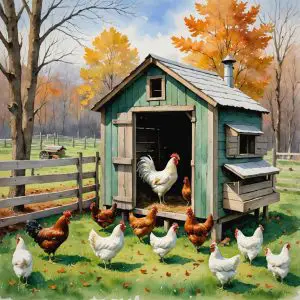
Winterizing your chicken coop is essential for keeping your feathered friends happy and healthy during the cold months. From insulating walls to providing extra bedding, there are many ways to ensure your coop is cozy and warm all winter long.

Curious if cats can enjoy a little quail egg treat? While it’s safe for cats to eat small amounts of cooked quail eggs as a treat, moderation is key to avoid potential dietary imbalances. Learn more about this feline-friendly snack option!

Chickens are known omnivores and can consume a wide variety of foods, including fruits and vegetables. When it comes to Anaheim peppers, they are safe for chickens to eat in moderation. However, it’s important to remove the seeds and stems to prevent any digestive issues. So go ahead and treat your feathered friends to some spicy snacks!

Keeping chickens requires adequate space for them to roam, scratch, and peck. The general rule is 2-4 square feet per bird inside the coop and 8-10 square feet per bird in an outdoor run. Providing enough space ensures healthy and happy chickens.
Chickens are social animals that thrive in a flock environment. They have a natural pecking order, with dominant and submissive