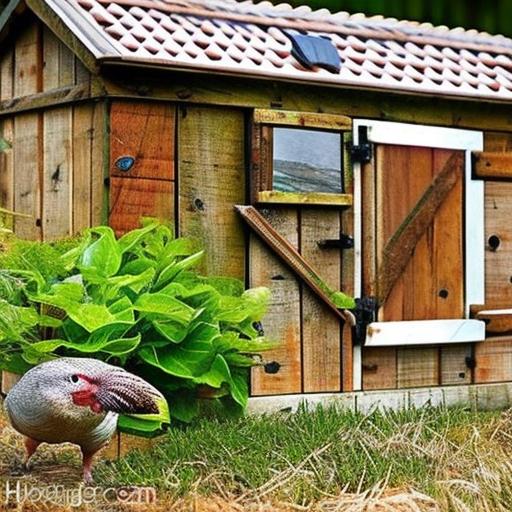
In the frostbitten winter months, the last thing you want is for your feathered friends to be left out in the cold. Keeping water from freezing in a chicken coop can be a challenge,but with a few clever tricks up your sleeve,you can ensure your flock stays hydrated all winter long. Let’s dive into some innovative solutions to keep their water flowing freely even in the chilliest of temperatures.
Table of Contents
Insulating the Chicken Coop for Winter
When winter comes, keeping water from freezing in your chicken coop can be a challenge. Insulating your coop can help regulate the temperature inside, preventing water from turning into ice. One way to insulate your coop is by adding extra bedding, such as straw or hay, to provide extra warmth for your chickens.
Another method is to install a heated waterer or use heat lamps to keep the water from freezing. You can also consider using a heated base under the waterer to prevent the water from solidifying. by taking these steps to insulate your chicken coop,you can ensure that your chickens have access to unfrozen water throughout the winter months,keeping them healthy adn hydrated.
Installing Heated Waterers for Easy Access
One of the biggest challenges for chicken coop owners during the winter months is keeping their flock’s water from freezing. Having access to water is crucial for the health and well-being of your chickens,but constantly breaking up ice and refilling waterers can be a time-consuming task. Installing heated waterers is a great solution to this problem, as they ensure that your chickens always have access to liquid water, even in the coldest temperatures.
Heated waterers come in a variety of styles and sizes, so you can choose the one that best fits the needs of your flock. Whether you have just a few chickens or a large poultry operation, there is a heated waterer that will work for you. These waterers are easy to install and maintain, making them a convenient option for busy chicken owners. By investing in heated waterers, you can ensure that your chickens stay hydrated and healthy all winter long.
Utilizing Heat Lamps as a Secondary Heating source
When it comes to keeping water from freezing in a chicken coop, can be a game-changer. By strategically placing heat lamps around the coop, you can create pockets of warmth that prevent water from turning into a solid block of ice.
One effective way to use heat lamps is to hang them above the water containers to provide a constant source of heat. Additionally, placing heat lamps near the ground can help keep the coop floor warm, which in turn can prevent water from freezing. Remember to always keep safety in mind when using heat lamps, ensuring they are securely mounted and away from any flammable materials.
Implementing a Regular Check-up Routine for Water Sources
If you want to prevent your water from freezing in the chicken coop, there are a few simple techniques you can use to keep it flowing even during the coldest months.One effective method is to use a heated waterer designed specifically for poultry. This will ensure that the water stays at a consistent temperature, preventing it from turning into ice.
Another option is to insulate the water containers with materials like foam insulation or even old towels or blankets.This extra layer of protection can help retain heat and prevent freezing. Additionally, you can consider adding a small amount of sugar or salt to the water to lower its freezing point, making it less likely to solidify in cold temperatures.
Q&A
Q: Why is it crucial to prevent water in a chicken coop from freezing?
A: Freezing water can lead to dehydration in chickens, which can affect their health and egg production.
Q: What are some ways to keep water from freezing in a chicken coop?
A: Insulating the water container, using heated waterers, placing water containers in heated areas, and using heat lamps are all effective methods.
Q: Are there any DIY solutions for preventing water from freezing?
A: Yes, wrapping a water container in foam insulation or using a heated rock in the water can also help keep it from freezing.
Q: How frequently enough should water be checked and changed in a chicken coop during the winter?
A: Water should be checked and changed regularly, at least twice a day, to ensure it doesn’t freeze and to keep chickens hydrated.
Q: Are there any natural ways to prevent water from freezing in a chicken coop?
A: Adding salt or sugar to the water can lower its freezing point, keeping it from solidifying in colder temperatures. However, be sure to monitor the water’s consistency to prevent any potential harm to the chickens.
The Way Forward
implementing these strategies to prevent water from freezing in your chicken coop can help ensure that your feathered friends have access to fresh, unfrozen water year-round.By taking proactive steps such as using heated waterers, insulating the coop, and providing warm bedding, you can definitely help keep your chickens healthy and happy during the cold winter months. Remember, a little extra effort now can go a long way in ensuring the well-being of your flock. So don’t let the freezing temperatures discourage you - with these tips, you can rest easy knowing that your chickens are taken care of, no matter how cold it gets outside.

Meet Walter, the feathered-friend fanatic of Florida! Nestled in the sunshine state, Walter struts through life with his feathered companions, clucking his way to happiness. With a coop that’s fancier than a five-star hotel, he’s the Don Juan of the chicken world. When he’s not teaching his hens to do the cha-cha, you’ll find him in a heated debate with his prized rooster, Sir Clucks-a-Lot. Walter’s poultry passion is no yolk; he’s the sunny-side-up guy you never knew you needed in your flock of friends!
Related posts:
 Transform Your Chicken Coop: Tips and Tricks for a Thorough Cleaning Method
 Discover the Essential Requirements for Chickens in Their Coop: What Do Chickens Really Need?
Discover the Secrets to Building Your Own Chicken Coop with Expert Framing Tips
Winterizing Your Chicken Coop: Essential Tips and Tricks
Discover the Essential Requirements for Chickens in Their Coop: What Do Chickens Really Need?
Discover the Secrets to Building Your Own Chicken Coop with Expert Framing Tips
Winterizing Your Chicken Coop: Essential Tips and Tricks