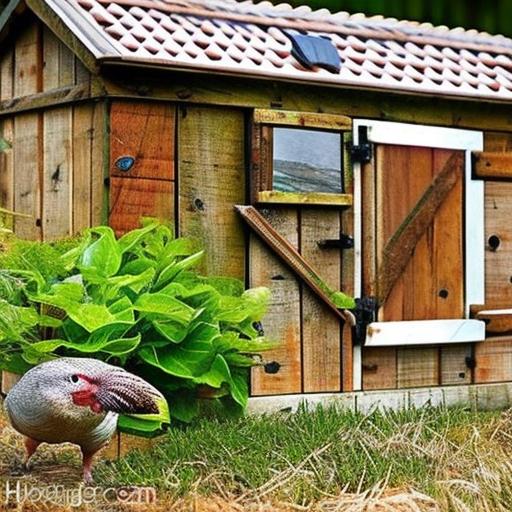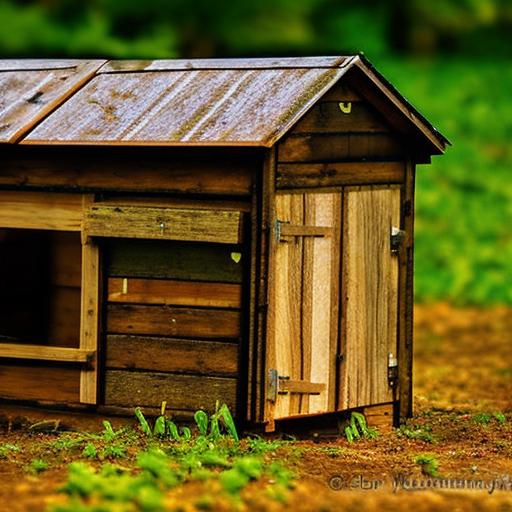
Have you ever dreamed of waking up to the sound of chickens clucking and the satisfaction of collecting fresh eggs from your own backyard? Starting a chicken coop may seem daunting at frist, but with the right guidance and planning, you’ll be well on your way to becoming a triumphant chicken owner in no time. This article will provide you with step-by-step instructions on how to start your own chicken coop and embark on an exciting journey of raising your own flock. So, grab your toolbelt and let’s get started!
Table of Contents
choosing the Right Location for Your Chicken Coop
When starting a chicken coop, one of the most important things to consider is selecting the right location. The location of your chicken coop can greatly impact the health and safety of your flock, as well as the success of your operation. Here are some key factors to keep in mind when choosing the perfect spot for your chicken coop:
Firstly, consider the proximity to your home. Having your chicken coop close to your house can make it easier to check on your chickens daily, gather eggs, and provide care when needed. Additionally, ensure the location has good drainage to prevent flooding and standing water, which can attract pests and lead to health issues for your flock. Lastly,provide ample shade and protection from predators by placing your coop in an area with natural barriers or adding fencing or netting around the perimeter.
Selecting the Best Chicken Breeds for Your Needs
when starting a chicken coop,it’s crucial to carefully select the best chicken breeds for your specific needs. Consider factors such as egg production, temperament, and climate adaptability when choosing the right breeds for your flock. Here are some popular chicken breeds to consider:
- Rhode Island Red: Known for their excellent egg production and hardiness.
- Buff Orpington: A amiable breed that lays brown eggs and does well in cold climates.
- Barred Plymouth Rock: Dual-purpose breed with good egg production and meat quality.
Each breed has its own unique characteristics, so be sure to research and choose the breeds that best suit your goals for your chicken coop. By selecting the right breeds,you can ensure a successful and fulfilling chicken keeping experience.
Building a Safe and Secure Chicken Coop Run
Creating a safe and secure chicken coop run is essential for the well-being of your feathered friends. By taking the necessary precautions, you can ensure that your chickens are protected from predators and othre potential hazards. here are some tips to help you build a chicken coop run that is both safe and secure:
- Use sturdy materials such as wire mesh,hardware cloth,or chain-link fencing to prevent predators from gaining access to your chickens.
- Make sure the coop run is spacious enough to allow your chickens to move around freely and get enough exercise.
- Consider adding a roof or cover to protect your chickens from the elements and prevent them from flying out.
- Install a secure latch or lock on the coop door to keep predators out and your chickens safe inside.
| Material | Benefit |
|---|---|
| Wire Mesh | Prevents predators from gaining access |
| Hardware Cloth | Provides added security |
| Chain-link Fencing | Durable and long-lasting |
Remember to regularly inspect your chicken coop run for any signs of wear or damage, and make any necessary repairs or improvements to ensure the safety of your chickens.By following these tips, you can create a safe and secure surroundings for your feathered friends to thrive in.
Creating a Comfortable Living Environment for Your chickens
When setting up a chicken coop, there are several key factors to consider to ensure a comfortable living environment for your feathered friends. First and foremost, make sure to provide enough space for your chickens to roam around and stretch their wings. A cramped living space can lead to stress and even aggression among the flock. Aim for at least 4 square feet per chicken inside the coop, and 10 square feet per chicken in the outdoor run.
Next, prioritize ventilation to maintain good air quality inside the coop. Proper airflow is essential to prevent respiratory issues and regulate temperature. Install windows or vents that can be opened and closed as needed, and consider adding a fan for additional circulation during hot months. Additionally, keep the coop clean by regularly removing droppings and replacing bedding to prevent ammonia buildup and bacteria growth.
Q&A
Q: What is the first step in starting a chicken coop?
A: The first step in starting a chicken coop is to choose a suitable location for your coop.
Q: How much space do I need for a chicken coop?
A: It is recommended to provide at least 2-3 square feet of space per chicken in the coop, as well as outdoor space for them to roam.
Q: What materials do I need to build a chicken coop?
A: You will need materials such as wood, wire mesh, roofing material, and nesting boxes to build a chicken coop.Q: How do I protect my chickens from predators?
A: to protect your chickens from predators, make sure the coop is secure with sturdy fencing and locks. You may also consider adding a motion-sensor light or an alarm system.Q: How do I maintain a chicken coop?
A: To maintain a chicken coop, regularly clean out the coop, provide fresh bedding, and make sure food and water are always available for the chickens.Additionally, check for signs of illness or distress in your flock.
In Retrospect
Weather you’re a first-time chicken keeper or a seasoned pro, starting a chicken coop can be a rewarding experience. From picking the perfect location to building your coop with care, there’s nothing quite like the satisfaction of raising your own flock. So get out there and start your chicken adventure today – your feathered friends will thank you for it! happy coop-building!

Meet Walter, the feathered-friend fanatic of Florida! Nestled in the sunshine state, Walter struts through life with his feathered companions, clucking his way to happiness. With a coop that’s fancier than a five-star hotel, he’s the Don Juan of the chicken world. When he’s not teaching his hens to do the cha-cha, you’ll find him in a heated debate with his prized rooster, Sir Clucks-a-Lot. Walter’s poultry passion is no yolk; he’s the sunny-side-up guy you never knew you needed in your flock of friends!
Related posts:
 Discover the Secrets to Constructing Your Own 6×8 Chicken Coop!
 Transforming Pallets into a Practical Chicken Coop: A Step-by-Step Guide
 Creative Chicken Keeping: Everything You Need to Know for a Happy Garden Flock
Creating a Budget-Friendly Chicken Coop: Tips and Tricks on Building a Chicken Coop Cheaply
Creative Chicken Keeping: Everything You Need to Know for a Happy Garden Flock
Creating a Budget-Friendly Chicken Coop: Tips and Tricks on Building a Chicken Coop Cheaply