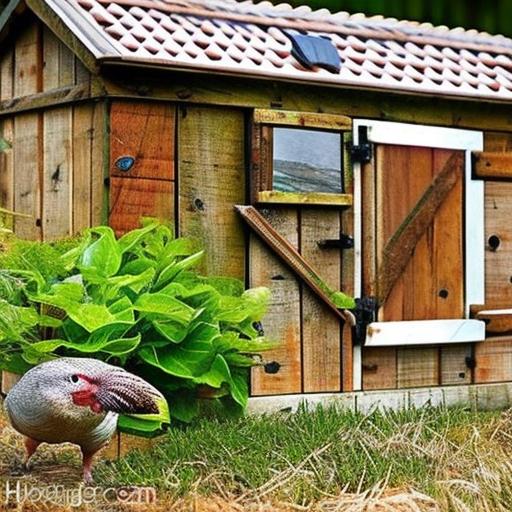
As the frosty winds of winter start to creep in, keeping your feathered friends warm and cozy becomes a top priority. One of the key elements of a well-insulated chicken coop is, you guessed it, the walls. In this article, we’ll explore the ins and outs of insulating your chicken coop walls to ensure your flock stays snug as a bug when temperatures dip. So grab your tools and let’s get cracking on creating a toasty retreat for your clucking companions!
Table of Contents
Preparing the Walls for Insulation
before adding insulation to your chicken coop walls,it is meaningful to properly prepare the surface to ensure maximum effectiveness. One key step is to clean the walls thoroughly to remove any dirt, dust, or debris that may have accumulated over time.Use a mild detergent and water to scrub the walls clean, then allow them to dry fully before proceeding.
Next, check the walls for any cracks, holes, or other imperfections that coudl compromise the insulation. Fill any gaps wiht a suitable sealant to ensure a tight barrier against drafts and moisture. Additionally, consider adding a vapor barrier to the walls to further protect the insulation and prevent moisture buildup. Once these steps are complete, your walls will be ready for insulation to keep your feathered friends warm and cozy.
choosing the Right Insulation Material
When it comes to insulating your chicken coop walls, it’s important to choose the right insulation material that will keep your feathered friends warm and cozy during the colder months. One popular option is fiberglass insulation, which is easy to install and provides excellent thermal resistance. Another great choice is foam board insulation, which is lightweight and moisture-resistant, making it ideal for chicken coops.
For those looking for a more eco-friendly option, recycled denim insulation is a fantastic choice. Not only does it provide great insulation, but it is indeed also made from recycled materials, making it a lasting option for your chicken coop. Whichever insulation material you choose,be sure to properly insulate all walls of the coop to ensure your chickens stay warm and comfortable all year round.
Proper Installation Techniques for Optimal Insulation
When insulating the walls of your chicken coop, it is important to ensure proper installation techniques are followed to achieve optimal insulation. by using the right materials and methods, you can help keep your chickens warm in the winter and cool in the summer.
Here are some tips for insulating chicken coop walls:
- use high-quality insulation materials such as fiberglass, foam board, or spray foam
- Seal all gaps and cracks to prevent air leaks
- Install insulation with the proper thickness for maximum effectiveness
- Consider adding a vapor barrier to protect against moisture buildup
Additional Tips for Maintaining a Well-Insulated Chicken Coop
When it comes to insulating your chicken coop walls, there are a few additional tips you can follow to ensure your feathered friends stay warm and cozy during the colder months. One effective method is to use foam board insulation,which can be easily cut to fit the walls of your coop. This type of insulation provides a barrier against the cold and helps regulate the temperature inside the coop.
Another tip is to seal any gaps or cracks in the walls with silicone caulk to prevent drafts and heat loss. Insulating curtains or blankets can also be hung on the walls during the winter months to further insulate the coop.By incorporating these additional tips into your insulation strategy,you can help maintain a well-insulated chicken coop that keeps your chickens comfortable year-round.
Q&A
Q: Why is it important to insulate chicken coop walls?
A: Insulating chicken coop walls helps to regulate the temperature inside, keeping chickens comfortable in both hot and cold weather.
Q: What materials can be used to insulate chicken coop walls?
A: Common materials for insulating chicken coop walls include foam board, fiberglass insulation, and straw bales.
Q: How can I insulate my chicken coop walls on a budget?
A: To insulate chicken coop walls on a budget, consider using recycled materials such as old blankets or newspapers.Q: Are there any potential drawbacks to insulating chicken coop walls?
A: One potential drawback of insulating chicken coop walls is the risk of moisture buildup,which can lead to mold and mildew growth.Proper ventilation is key to preventing this.
Q: How can I improve the insulation of an existing chicken coop?
A: To improve the insulation of an existing chicken coop, consider adding additional layers of insulation or sealing any gaps and cracks that might potentially be letting in cold air.
Q: Is it necessary to insulate all four walls of a chicken coop?
A: while insulating all four walls of a chicken coop is ideal, focusing on the north and east walls, which typically face the coldest winds, can provide significant benefits.
Closing Remarks
insulating your chicken coop walls is essential for keeping your feathered friends warm and happy during the colder months. By following the steps outlined in this article, you can create a cozy and comfortable living space for your chickens that will help them thrive year-round. Remember to regularly check and maintain your insulation to ensure its effectiveness. With a well-insulated coop, your chickens will be clucking with contentment in no time. Happy farming!

Meet Walter, the feathered-friend fanatic of Florida! Nestled in the sunshine state, Walter struts through life with his feathered companions, clucking his way to happiness. With a coop that’s fancier than a five-star hotel, he’s the Don Juan of the chicken world. When he’s not teaching his hens to do the cha-cha, you’ll find him in a heated debate with his prized rooster, Sir Clucks-a-Lot. Walter’s poultry passion is no yolk; he’s the sunny-side-up guy you never knew you needed in your flock of friends!
Related posts:
 Top Reasons Why Insulating Your Chicken Coop is Essential: Do I Need to Insulate My Chicken Coop?
Discover the Secrets to Building Your Own Chicken Coop with Expert Framing Tips
Transforming Your Shed into a Functional and Stylish Chicken Coop
Chicken Coop Building Made Simple: A Beginner’s Guide to Constructing an Easy Coop
Top Reasons Why Insulating Your Chicken Coop is Essential: Do I Need to Insulate My Chicken Coop?
Discover the Secrets to Building Your Own Chicken Coop with Expert Framing Tips
Transforming Your Shed into a Functional and Stylish Chicken Coop
Chicken Coop Building Made Simple: A Beginner’s Guide to Constructing an Easy Coop