Breeding geese has a long history that dates back thousands of years. Geese were first domesticated in ancient Egypt and have since been bred for their meat, eggs, and feathers. Today, breeding geese is a popular agricultural practice around the world.
There are several benefits to breeding geese. Firstly, geese are known for their high fertility rates, which means they can produce a large number of offspring. This makes them an ideal choice for farmers looking to increase their flock size. Additionally, geese are hardy birds that can adapt to various climates and environments, making them relatively easy to care for.
To successfully breed geese, there are some basic requirements that need to be met. Firstly, geese need access to clean water for drinking and bathing. They also require a suitable housing area that provides protection from predators and extreme weather conditions. Finally, geese need a balanced diet that meets their nutritional needs.
Key Takeaways
- Breeding geese requires understanding their basic needs and reproductive cycle
- Selecting the right breeds and setting up a suitable environment is crucial for successful breeding
- Proper care and nutrition are essential for the health and growth of goslings
- Common health issues can be prevented and treated with proper management
- Breeding geese for meat, eggs, or exhibition requires specific strategies for maximizing yield and success.
Selecting the Right Breeds for Your Geese Breeding Program
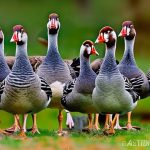
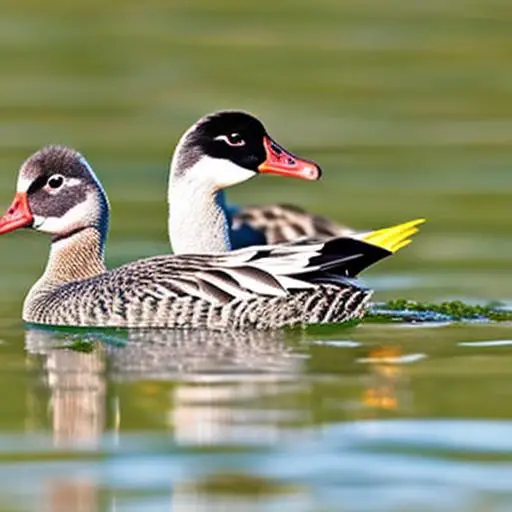
When it comes to selecting breeds for your geese breeding program, there are several popular options to choose from. Some of the most common breeds include Toulouse, Embden, and Chinese geese.
When selecting breeds, it’s important to consider factors such as climate, purpose (meat or egg production), and personal preference. Different breeds have different characteristics and traits that may be more suitable for certain purposes. For example, Toulouse geese are known for their large size and meat production capabilities, while Chinese geese are known for their egg-laying abilities.
Breeding for specific traits is also an important consideration. If you’re breeding geese for meat production, you may want to select breeds that have a higher meat-to-bone ratio or grow at a faster rate. On the other hand, if you’re breeding geese for egg production, you may want to select breeds that have a higher egg-laying capacity.
Setting Up the Perfect Environment for Your Geese to Breed
Creating the perfect environment for your geese to breed is crucial for their health and productivity. Geese require a suitable housing area that provides protection from predators and extreme weather conditions. The housing area should be spacious enough to allow the geese to move around comfortably and have access to clean water for drinking and bathing.
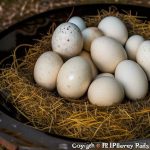
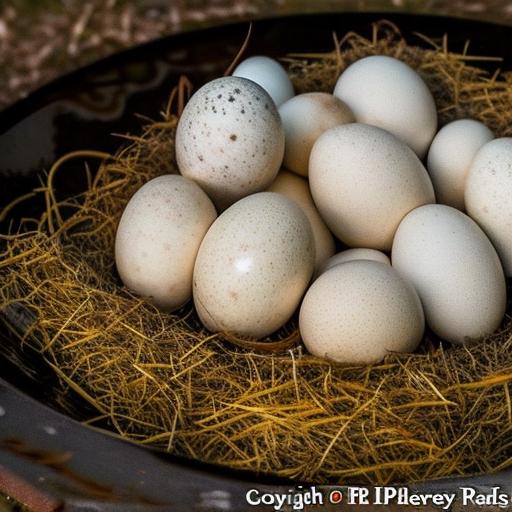
Nesting materials and locations are also important considerations. Geese prefer to nest in secluded areas that provide privacy and protection. Providing nesting boxes or areas with straw or hay can encourage geese to lay their eggs in a designated spot.
Temperature and lighting considerations are also important for breeding geese. Geese prefer cooler temperatures, so it’s important to provide adequate ventilation in the housing area to prevent overheating. Additionally, providing natural or artificial lighting can help stimulate egg production in geese.
Understanding the Reproductive Cycle of Geese: Mating, Nesting, and Hatching
Understanding the reproductive cycle of geese is essential for successful breeding. Geese typically reach sexual maturity at around 2-3 years of age. During the mating season, male geese, known as ganders, will display courtship behaviors such as honking and flapping their wings to attract females.
Once a pair has formed, the female goose, known as a goose, will begin nesting. Geese prefer to nest on the ground or in low-lying areas near water. They will lay a clutch of eggs, usually around 5-10 eggs, and incubate them for about 28-30 days.
During the incubation period, it’s important to provide a quiet and undisturbed environment for the nesting goose. It’s also important to monitor the temperature and humidity levels to ensure optimal conditions for hatching.
Preparing for the Arrival of Goslings: Caring for Newborn Geese
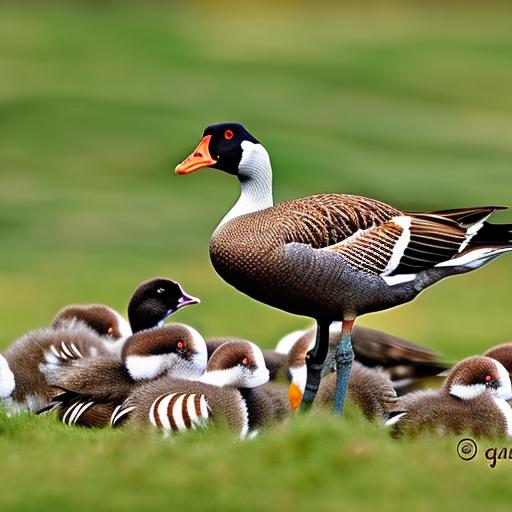
When the goslings hatch, they are vulnerable and require special care. Brooding requirements for goslings include providing a warm and dry environment, such as a brooder box or heated area, to keep them comfortable. It’s important to monitor the temperature and adjust it accordingly to prevent overheating or chilling.
Feeding and watering newborn geese is also crucial for their growth and development. Goslings should be provided with a balanced diet that meets their nutritional needs. This can include a commercial starter feed specifically formulated for waterfowl or a homemade mixture of grains and greens.
Common health issues in goslings include respiratory infections, nutritional deficiencies, and parasites. It’s important to monitor the health of the goslings closely and seek veterinary care if necessary. Providing a clean and hygienic environment, proper nutrition, and regular vaccinations can help prevent common health issues in goslings.
Feeding and Nutrition for Breeding Geese: Understanding Their Dietary Needs

Feeding and nutrition play a crucial role in the overall health and productivity of breeding geese. Geese have specific nutritional requirements that need to be met in order to support their growth, reproduction, and overall well-being.
Breeding geese require a diet that is high in protein, vitamins, and minerals. This can be achieved by providing a balanced commercial feed specifically formulated for geese or by creating a homemade mixture of grains, greens, and protein sources such as fish meal or soybean meal.
Feeding schedules and amounts will vary depending on the age, breed, and purpose of the geese. It’s important to provide regular feedings throughout the day and adjust the amount of feed based on the geese’s appetite and body condition.
Common feed options for geese include grains such as corn, wheat, and barley, as well as greens such as lettuce, spinach, and kale. It’s important to provide a varied diet to ensure that geese receive all the necessary nutrients.
Common Health Issues in Breeding Geese: Prevention and Treatment
Like any livestock, breeding geese are susceptible to various health issues. Common health issues in geese include respiratory infections, parasites, nutritional deficiencies, and foot problems.
Preventative measures for geese health include providing a clean and hygienic environment, regular vaccinations, and proper nutrition. It’s important to monitor the health of the geese closely and seek veterinary care if necessary.
Treatment options for sick geese will depend on the specific health issue. In some cases, antibiotics or other medications may be prescribed by a veterinarian. It’s important to follow the recommended treatment plan and provide supportive care such as rest and proper nutrition.
Regular health checks and preventative measures can help minimize the risk of common health issues in breeding geese and ensure their overall well-being.
Breeding Geese for Meat: Maximizing Your Yield and Profitability
Breeding geese for meat production can be a profitable venture if done correctly. When breeding geese for meat, it’s important to select breeds that have a high meat-to-bone ratio and grow at a faster rate.
Slaughtering and processing geese should be done in a humane and efficient manner. This can be done by using proper slaughtering techniques and following food safety guidelines.
Maximizing profitability in geese meat production can be achieved by optimizing feed efficiency, minimizing feed waste, and reducing production costs. It’s important to keep accurate records of expenses and income to track profitability and make informed decisions.
Breeding Geese for Eggs: How to Optimize Egg Production
Breeding geese for egg production can also be a profitable venture. When breeding geese for eggs, it’s important to select breeds that have a high egg-laying capacity.
Egg-laying habits and requirements should be taken into consideration. Geese typically lay their eggs in secluded areas near water. Providing nesting boxes or areas with straw or hay can encourage geese to lay their eggs in a designated spot.
Maximizing egg production in geese can be achieved by providing a balanced diet, proper lighting, and a stress-free environment. It’s important to monitor the health and well-being of the geese closely to ensure optimal egg production.
Breeding Geese for Exhibition: Preparing Your Geese for Showmanship and Judging
Breeding geese for exhibition can be a rewarding experience for enthusiasts. When preparing geese for exhibition, it’s important to focus on their overall health, appearance, and temperament.
Showmanship and judging criteria will vary depending on the specific exhibition or competition. It’s important to familiarize yourself with the criteria and guidelines to ensure success.
Tips for success in geese exhibition include regular grooming, training, and socialization. It’s important to handle the geese regularly from a young age to ensure they are comfortable being handled and exhibited.
In conclusion, breeding geese can be a rewarding and profitable venture with the right knowledge and preparation. By understanding the basics of geese breeding, selecting the right breeds, providing the perfect environment, and optimizing nutrition and health, you can successfully breed geese for meat, eggs, or exhibition.
If you’re interested in breeding geese, you may also want to check out this informative article on poultrywizard.com about large chicken coop ideas. While it may seem unrelated at first, understanding the importance of a spacious and well-designed coop can also be beneficial when it comes to raising geese. A well-designed coop not only provides a comfortable living space for your birds but also ensures their safety and allows for efficient management. So, if you’re looking for ideas on how to create a suitable environment for your geese, this article on large chicken coop ideas might just provide some valuable insights.
FAQs
What is breeding geese?
Breeding geese is the process of raising geese for the purpose of producing offspring.
What are the benefits of breeding geese?
Breeding geese can provide a source of meat, eggs, and feathers. They can also be used for weed control and as pets.
What are the different breeds of geese?
There are many different breeds of geese, including Toulouse, Embden, African, Chinese, and Canadian.
What is the best time to breed geese?
The best time to breed geese is in the spring, when the weather is warmer and there is more daylight.
How do you breed geese?
Breeding geese involves selecting a male and female goose, providing them with a suitable nesting area, and allowing them to mate naturally. The female will then lay eggs, which can be incubated or left for the geese to hatch.
What do geese eat?
Geese eat a variety of foods, including grass, grains, and insects. They also require access to clean water.
What are some common health issues for geese?
Common health issues for geese include respiratory infections, parasites, and injuries from predators or other geese. Regular veterinary care can help prevent and treat these issues.
What is the lifespan of a goose?
The lifespan of a goose can vary depending on the breed and living conditions, but they typically live for 10-20 years.

Meet Walter, the feathered-friend fanatic of Florida! Nestled in the sunshine state, Walter struts through life with his feathered companions, clucking his way to happiness. With a coop that’s fancier than a five-star hotel, he’s the Don Juan of the chicken world. When he’s not teaching his hens to do the cha-cha, you’ll find him in a heated debate with his prized rooster, Sir Clucks-a-Lot. Walter’s poultry passion is no yolk; he’s the sunny-side-up guy you never knew you needed in your flock of friends!