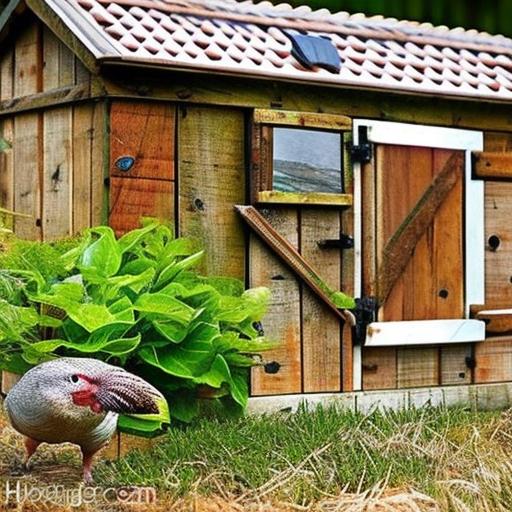
When it comes to raising chickens, size matters – especially when it comes to their living space. With 20 clucking companions to accommodate, finding the right size for a chicken coop is crucial for their health and happiness. In this article, we will explore just how big of a chicken coop you need to comfortably house 20 chickens. Grab your blueprint and prepare to build the ultimate chicken haven!
Table of Contents
Determining the Ideal Size for a Chicken Coop
When to comfortably house 20 chickens, several factors must be taken into consideration to ensure the health and well-being of your feathered friends.Firstly, it is vital to allow ample space for each chicken to move around freely and engage in natural behaviors such as scratching, pecking, and dust bathing. A general rule of thumb is to provide at least 2-4 square feet of indoor space per chicken, and 8-10 square feet of outdoor space per chicken. This means that for a flock of 20 chickens, the coop should have a minimum indoor area of 40-80 square feet and a minimum outdoor area of 160-200 square feet.
In addition to space requirements, ventilation is also a key factor to consider when designing the perfect chicken coop. Proper ventilation is essential for maintaining good air quality and preventing respiratory issues in your chickens. Make sure to incorporate windows, vents, or fans to ensure adequate airflow throughout the coop. Additionally, consider adding roosting bars, nesting boxes, and a secure door to protect your chickens from predators. By carefully planning and designing a spacious and well-ventilated chicken coop, you can create a comfortable and healthy living habitat for your flock of 20 chickens to thrive.
| Indoor Space per Chicken | Outdoor space per chicken |
|---|---|
| 2-4 square feet | 8-10 square feet |
Factors to Consider When Housing 20 Chickens
When housing a flock of 20 chickens, it’s essential to consider the size of the chicken coop to ensure your feathered friends have enough space to thrive. One factor to keep in mind is the square footage needed per chicken. Ideally, each chicken should have at least 4 square feet of space inside the coop. This means that for 20 chickens, you would need a minimum of 80 square feet of coop space. Additionally, it’s important to provide enough roosting space for all the chickens to comfortably perch at night.
Another important factor to consider is the layout of the chicken coop. Make sure there are enough nesting boxes for your hens to lay their eggs, and also adequate ventilation to keep the air inside the coop fresh. Consider adding a run attached to the coop to give your chickens room to stretch their legs and forage for bugs and plants. Lastly, don’t forget to provide a secure fencing system to protect your chickens from predators.
Space Requirements and Layout Recommendations
When determining the size of a chicken coop for 20 chickens, it is important to consider the space requirements to ensure that the birds have enough room to move around comfortably. Each chicken should ideally have a minimum of 4 square feet of space inside the coop and 10 square feet in the outdoor run area. This means that for 20 chickens, the coop should be at least 80 square feet and the outdoor run should be at least 200 square feet.
It is indeed also critically important to consider the layout of the chicken coop to maximize the space and create a functional living environment for the birds. Some layout recommendations include:
- Nesting boxes: Provide at least 1 nesting box for every 4-5 hens to lay their eggs.
- Roosting Bars: Install roosting bars at different heights to accommodate all the chickens comfortably.
- Food and Water Stations: Place food and water stations in separate locations to prevent crowding and ensure easy access for all chickens.
Optimizing Comfort and Health of Your Flock
When determining the size of a chicken coop for 20 chickens, it’s critically important to consider the comfort and health of your flock. The coop should provide enough space for the chickens to move around freely, roost comfortably, and lay eggs without feeling crowded. A general rule of thumb is to allow 2-4 square feet of space per chicken, which means a coop for 20 chickens should be at least 40-80 square feet in size.
Additionally, the coop should have proper ventilation to prevent moisture buildup and ensure good air quality. Adequate lighting is also important to promote egg production and overall well-being. Providing nesting boxes, perches, and a secure outdoor run will help keep your chickens happy and healthy. by creating a spacious and well-designed coop, you can optimize the comfort and health of your flock.
Q&A
Q: How big of a chicken coop do I need for 20 chickens?
A: That depends on the breed of chickens and the amount of space you want to provide for them.
Q: What is the minimum size of a chicken coop for 20 chickens?
A: The general rule of thumb is to provide at least 3-4 square feet of space per chicken in a coop, so for 20 chickens, you would need a coop that is at least 60-80 square feet.
Q: Can I go bigger than the minimum recommended size?
A: Absolutely! Providing more space for your chickens can lead to happier and healthier birds.
Q: What are some benefits of having a larger chicken coop?
A: A larger coop allows for more freedom of movement, less crowding, better ventilation, and reduced risk of disease spreading among the flock.
Q: Are there any drawbacks to having a larger chicken coop?
A: The main downside of a larger coop is that it may require more maintenance and cleaning, and also possibly higher initial costs.
Q: Are there any specific design considerations I should keep in mind when building a chicken coop for 20 chickens?
A: Things to consider include proper ventilation, adequate roosting space, nesting boxes, easy access for cleaning, predator-proofing, and ensuring the coop is weatherproof.
Q: Can I mix different breeds of chickens in the same coop?
A: Yes, you can mix different breeds of chickens in the same coop, but it is important to do so cautiously and ensure that all chickens have enough space and resources to thrive.
To Conclude
when planning for your chicken coop for 20 chickens, it’s essential to consider not just the size of the coop itself, but also factors such as space per chicken, nesting boxes, and ventilation. By providing ample space and amenities for your feathered friends, you can ensure they lead happy and healthy lives. So whether you’re a seasoned farmer or new to the world of poultry keeping, remember that a well-designed chicken coop is the key to a accomplished flock. Happy coop building!

Meet Walter, the feathered-friend fanatic of Florida! Nestled in the sunshine state, Walter struts through life with his feathered companions, clucking his way to happiness. With a coop that’s fancier than a five-star hotel, he’s the Don Juan of the chicken world. When he’s not teaching his hens to do the cha-cha, you’ll find him in a heated debate with his prized rooster, Sir Clucks-a-Lot. Walter’s poultry passion is no yolk; he’s the sunny-side-up guy you never knew you needed in your flock of friends!