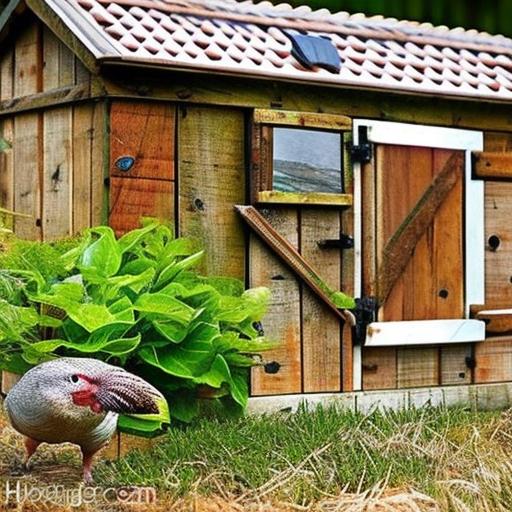
Chickens are known for their early morning wake-up calls and bustling activity throughout the day. Though, have you ever wondered just how much light these feathered friends need to keep up their egg-laying production? In this article, we delve into the interesting world of chicken care and explore the optimal amount of light needed to ensure a healthy and productive flock. Let’s shed some light on this clucking good topic!
Table of Contents
– Importance of Proper Lighting for egg Production
Proper lighting plays a crucial role in egg production for chickens. The amount of light chickens receive directly impacts their laying patterns and overall well-being. Without adequate lighting, chickens may experience a decrease in egg production or stop laying altogether. It is essential to provide the right amount and type of light to ensure consistent egg production.
Chickens generally require around 14 to 16 hours of light per day to maintain optimal egg-laying conditions. Natural light is ideal, but artificial lighting can be utilized to supplement light as needed.By mimicking natural daylight patterns, chickens can be encouraged to continue laying eggs consistently. It is notable to monitor the lighting conditions regularly and make adjustments as needed to ensure the well-being and productivity of the flock.
– Understanding the Optimal Light Levels for Laying Hens
When it comes to understanding the optimal light levels for laying hens, it’s important to consider the specific needs of these birds to ensure they continue to lay eggs consistently.Chickens require a certain amount of light each day to maintain their egg production, as their biological clocks are closely tied to the amount of light they receive.
On average, laying hens need around 14-16 hours of light per day to continue laying eggs regularly. this can be achieved through a combination of natural and artificial light sources. It’s important to provide a consistent light schedule for yoru chickens, as abrupt changes in lighting can disrupt their egg laying patterns. Additionally, ensuring that the light is evenly distributed throughout the coop will help prevent stress and encourage healthy egg production in your flock.
– Tips for Providing Adequate Lighting in chicken Coops
Types of Lighting:
- LED lights: Energy-efficient and long-lasting
- Fluorescent lights: Affordable option for consistent lighting
- Solar-powered lights: Environmentally kind option for off-grid coops
- Incandescent lights: not recommended due to high energy consumption
Lighting Schedule:
- Provide 14-16 hours of light per day to stimulate egg production
- Use automatic timers to ensure consistent lighting schedule
- Adjust the lighting schedule gradually to prevent stress on the chickens
– Impact of light Intensity on Egg Laying Frequency and Quality
The amount of light that chickens are exposed to plays a crucial role in their egg laying frequency and quality. Research has shown that light intensity can substantially impact the reproductive behavior of chickens, influencing both the number of eggs laid and their overall quality.
Chickens require a minimum of 14 hours of light per day to maintain optimal egg production. When exposed to lower light intensities, chickens may decrease their egg laying frequency, resulting in fewer eggs overall.Additionally, the quality of the eggs produced under low light conditions may also be compromised, with shells being thinner and yolks paler.
Q&A
Q: How much light do chickens need to keep laying eggs?
A: chickens typically need around 14-16 hours of light per day to continue laying eggs consistently.
Q: What happens if chickens don’t get enough light?
A: If chickens don’t get enough light, their egg production may decrease or stop altogether.
Q: Can artificial light be used to supplement natural light for chickens?
A: Yes, artificial light can be used to supplement natural light for chickens to ensure they receive the required amount of light.
Q: Are there specific types of light that are more beneficial for chickens?
A: Chickens benefit most from white or blue light, as these closely resemble natural daylight and help to stimulate egg production.
Q: Should chickens be exposed to total darkness at night?
A: Chickens do best when they have a period of darkness at night, as this helps to regulate their natural sleep patterns and overall health.
Q: How can I determine if my chickens are getting enough light?
A: Monitoring your chickens’ egg production is a good indicator of whether they are receiving enough light. if egg production drops, it may be a sign that they need more light.
Final Thoughts
understanding the importance of light in a chicken’s laying cycle is crucial for maintaining consistent egg production. By providing the appropriate amount of light, you can ensure that your feathered friends are happy and healthy, resulting in a steady supply of delicious eggs.So, next time you peek into the coop, remember that a little light goes a long way in keeping those chickens clucking and laying. Happy farming!

Meet Walter, the feathered-friend fanatic of Florida! Nestled in the sunshine state, Walter struts through life with his feathered companions, clucking his way to happiness. With a coop that’s fancier than a five-star hotel, he’s the Don Juan of the chicken world. When he’s not teaching his hens to do the cha-cha, you’ll find him in a heated debate with his prized rooster, Sir Clucks-a-Lot. Walter’s poultry passion is no yolk; he’s the sunny-side-up guy you never knew you needed in your flock of friends!
Related posts:
 The Ultimate Guide to Successfully Raising Chickens: Everything You Need to Know
 Discover the Joy of Raising Chickens in New Zealand: A Guide to Keeping Chickens in NZ
10 Hens Thrive in a Cozy Chicken Coop
New Title: The Fascination with Keeping Chickens: Exploring the Reasons Behind this Popular Hobby
Discover the Joy of Raising Chickens in New Zealand: A Guide to Keeping Chickens in NZ
10 Hens Thrive in a Cozy Chicken Coop
New Title: The Fascination with Keeping Chickens: Exploring the Reasons Behind this Popular Hobby