When it comes to raising livestock,chickens are frequently enough the go-to choice for many farmers and homesteaders. While most people are familiar with the concept of raising chickens for their eggs, ther is another side to poultry farming that is gaining popularity - keeping meat chickens. In this article, we will explore the ins and outs of raising meat chickens, from selecting the right breed to caring for them throughout their lifecycle. Whether your a seasoned poultry farmer or just starting out, this guide will provide you with all the details you need to successfully raise your own flock of meat chickens.
Table of Contents
Selecting the Right Breed for Meat Production
When it comes to , there are several factors to consider.one vital aspect to think about is the growth rate of the breed. Look for breeds that mature quickly and have a high feed conversion ratio. This means they will grow efficiently and produce more meat in a shorter amount of time.
Another factor to consider is the size of the breed. Larger breeds typically yield more meat, so if you are looking to maximize your production, you may want to choose a larger breed. Some popular meat chicken breeds include Cornish Cross, Broilers, and Sussex. These breeds are known for their fast growth and high meat yield, making them ideal choices for meat production.
creating a Comfortable Living Environment for Meat Chickens
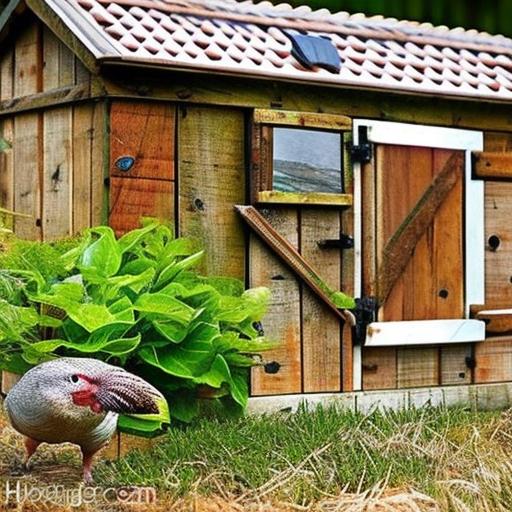
Meat chickens are a popular choice for many backyard farmers and homesteaders looking to raise their own food. Creating a comfortable living environment for your meat chickens is essential for their health and well-being.Here are some tips to help you keep your meat chickens happy and healthy:
Provide Adequate Space: Make sure your meat chickens have enough space to move around and stretch their wings. Overcrowding can lead to stress and disease. Aim for at least 1 square foot of space per chicken in the coop and 5-10 square feet per chicken in the outdoor run.
Maintain Clean Bedding: Regularly clean out the chicken coop and replace the bedding to prevent the buildup of droppings and bacteria. This will help keep your meat chickens healthy and prevent respiratory issues.
Feeding and Nutrition Guidelines for Meat Chickens
When it comes to keeping meat chickens, it is important to follow proper feeding and nutrition guidelines to ensure they grow healthy and strong. Feeding plays a crucial role in the development of meat chickens, so it is essential to provide them with the right balance of nutrients at each stage of their growth.
One of the key factors to consider is the protein content in their feed. Meat chickens require a high protein diet to support their rapid growth. It is recommended to feed them a diet with at least 20% to 24% protein content. Along with protein, make sure to provide them with a balanced mix of carbohydrates, vitamins, and minerals to meet their nutritional needs. Remember to provide them with fresh, clean water at all times, as hydration is essential for their overall health and well-being.
Best Practices for Processing and Butchering Meat Chickens
When it comes to processing and butchering meat chickens, there are several best practices to keep in mind to ensure a successful and efficient operation. One important step is to make sure you have all the necessary tools and equipment on hand, such as a sharp knife, cutting board, and a clean work area. It’s also important to have a plan in place for how you will process the chickens, whether you will do it all at once or in batches.
Another key best practice is to handle the chickens with care and respect throughout the processing and butchering process. This includes ensuring the chickens are humanely raised and treated well prior to processing. Additionally, it’s important to work quickly and efficiently to minimize stress on the chickens and ensure the meat remains fresh and high quality. By following these best practices, you can ensure that your meat chickens are processed and butchered properly, resulting in tasty and high-quality meat for your table.
Q&A
Q: What are the benefits of keeping meat chickens?
A: Keeping meat chickens allows for a sustainable source of fresh, organic meat right in your own backyard.
Q: What type of housing do meat chickens require?
A: Meat chickens require a warm, dry, and well-ventilated coop with plenty of space to move around and roost.
Q: What shoudl the diet of meat chickens consist of?
A: The diet of meat chickens should include a balanced mixture of high-quality chicken feed, grains, and plenty of fresh water.
Q: How long does it take for meat chickens to reach processing size?
A: Meat chickens typically reach processing size within 8-12 weeks, depending on the breed.
Q: What is the best way to humanely process meat chickens?
A: The most humane way to process meat chickens is to swiftly and safely dispatch them using a method such as cervical dislocation or a commercial processing facility.
Q: How can meat chickens be protected from predators?
A: Meat chickens can be protected from predators by ensuring their coop is secure with strong fencing, locking doors, and installing motion-activated lights or alarms.
Q: What are some common health issues that meat chickens may face?
A: Common health issues for meat chickens include respiratory infections, parasites, and heat stress. It is important to monitor their health regularly and consult a veterinarian if needed.
to Conclude
keeping meat chickens can be a rewarding and fulfilling experience for those interested in raising their own food. By providing a safe and healthy environment for your chickens, you can ensure that they thrive and produce high-quality meat for your table. Whether you are a seasoned farmer or a beginner, with the right knowledge and resources, anyone can successfully raise meat chickens. So why not give it a try and enjoy the benefits of knowing exactly where your food comes from and contributing to a more sustainable way of living. Happy farming!

Meet Walter, the feathered-friend fanatic of Florida! Nestled in the sunshine state, Walter struts through life with his feathered companions, clucking his way to happiness. With a coop that’s fancier than a five-star hotel, he’s the Don Juan of the chicken world. When he’s not teaching his hens to do the cha-cha, you’ll find him in a heated debate with his prized rooster, Sir Clucks-a-Lot. Walter’s poultry passion is no yolk; he’s the sunny-side-up guy you never knew you needed in your flock of friends!
Related posts:
 Discover the Best Chicken Coop Locations: Where Do You Keep Chickens?
 Discover the Perfect Size Chicken Coop for 12 Feathered Friends
Creating the Perfect Chicken Coop: Determining the Right Size for Your Flock
Discover the Perfect Size Chicken Coop for 12 Feathered Friends
Creating the Perfect Chicken Coop: Determining the Right Size for Your Flock
 Am I Allowed to Keep Chickens? Discover the Rules and Regulations for Raising Poultry on Your Property