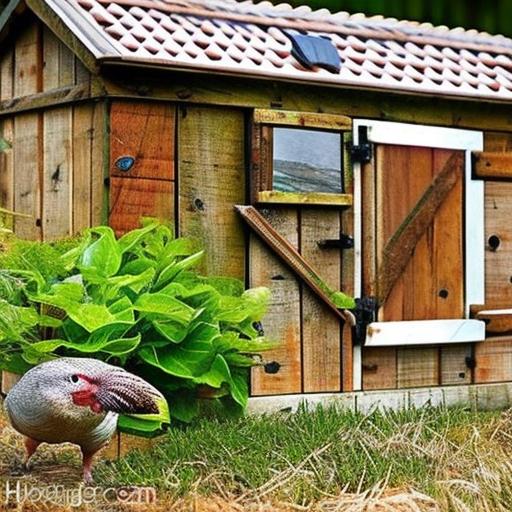
In the still of the night, a silent shadow swoops down upon the unsuspecting coop. While manny may view owls as majestic creatures of the night, their appetite for chickens may come as a surprise to some. Let us delve into the engaging world of owls and their predatory habits when it comes to feasting on these feathered farm animals.
Table of Contents
Understanding the Predatory Behavior of Owls
Owls are fascinating creatures known for their unique predatory behavior.They are skilled hunters, preying on a variety of animals, including rodents, insects, and even other birds. Despite their reputation as wise and majestic creatures, owls are also known to eat chickens. This can be a concern for poultry farmers who have to take measures to protect their flocks from owl attacks.
It’s critically important to understand the predatory behavior of owls in order to effectively deter them from preying on chickens. Owls are nocturnal hunters, using their keen eyesight and sharp talons to capture their prey. They are stealthy predators, able to fly silently and swoop down on unsuspecting victims. By implementing strategies such as building sturdy enclosures, using scare tactics, and keeping chickens indoors at night, farmers can help protect their chickens from owl attacks.
Identifying Common Signs of Owl Predation on Chickens
Owls are known to be skilled predators, especially when it comes to hunting small animals like chickens. If you suspect that owls are preying on your chickens,there are a few common signs to look out for.
One of the key indicators of owl predation on chickens is the presence of feathers scattered around the coop or chicken run. Owls pluck the feathers of their prey before consuming them, so finding feathers without any other signs of a struggle is a strong clue that an owl may be the culprit. Additionally, if you notice large talon marks on the bodies of your chickens, this could also be a sign of owl predation. Owls have sharp talons that leave distinct marks on their prey.
Implementing Effective Strategies to Protect Chickens from owls
When it comes to keeping chickens safe from owls,there are several key strategies that can be implemented to minimize the risk of attacks. One of the most important steps is to ensure that your chicken coop is securely enclosed with strong mesh or wire to prevent owls from gaining access to the birds. Additionally, providing adequate shelter for chickens to hide in during nighttime hours can also help protect them from owl predation.
Another effective strategy is to use visual deterrents such as scarecrows, shiny objects, or predator decoys to deter owls from approaching the chicken coop. Installing motion-activated lights or alarms around the coop can also startle owls and discourage them from hunting in the area. By implementing a combination of these strategies, you can definitely help safeguard your chickens from owl attacks and ensure their safety and well-being.
Creating a Safe Environment for Chickens to Minimize Owl Attacks
Owls eat chickens, and as chicken owners, it’s essential to take the necessary precautions to protect our feathered friends from these nocturnal predators. One effective way to minimize owl attacks is to ensure that your chicken coop is secure and predator-proof. This means using sturdy materials for fencing and covering any openings that could provide easy access for owls.
Additionally,consider installing motion-activated lights or a radio near the coop to deter owls from coming too close. Another strategy is to provide shelter for your chickens during the night by creating covered areas where they can roost safely. By taking these steps, you can help create a safe environment for your chickens and minimize the risk of owl attacks.
Q&A
Q: Why do owls eat chickens?
A: Owls are opportunistic predators that typically hunt small mammals, birds, and insects. Chickens make for an easy and convenient meal for owls due to their size and accessibility.
Q: How do owls hunt chickens?
A: Owls are nocturnal hunters with excellent night vision and silent flight capabilities. They will ofen swoop down on unsuspecting chickens as they roost or forage in the open.
Q: Are there any ways to prevent owls from preying on chickens?
A: Yes, there are several preventative measures that can be taken, such as securing chicken coops with sturdy fencing and locking them up at night, using motion-activated lights or sound devices to deter owls, and keeping noise-making pets like dogs in the vicinity.
Q: What are the potential risks of owls preying on chickens?
A: Aside from the loss of livestock, owl attacks can also be distressing for chicken owners and may disrupt the overall welfare and productivity of the flock. In certain specific cases, repeated attacks may even lead to the complete decimation of a poultry population.
Q: Are there any benefits to having owls in the ecosystem despite their predatory behavior?
A: Yes, owls play a vital role in maintaining biodiversity by controlling pest populations such as rodents and insects. Their presence can help keep ecosystems in balance, which ultimately benefits both natural habitats and agricultural areas.
The Way Forward
As the sun sets and darkness creeps in, the eerie hoots of owls fill the night air. While these majestic creatures may be enchanting to some, for chicken owners, they can be a source of fear and frustration. Understanding the natural instinct of owls to prey upon chickens is crucial for protecting your flock and maintaining harmony in the animal kingdom. So next time you here the haunting call of an owl, remember to keep a watchful eye over your feathered friends. And as the moon rises high in the sky, may you and your chickens rest easy, knowing that knowledge is the key to coexisting peacefully with these silent hunters of the night.

Meet Walter, the feathered-friend fanatic of Florida! Nestled in the sunshine state, Walter struts through life with his feathered companions, clucking his way to happiness. With a coop that’s fancier than a five-star hotel, he’s the Don Juan of the chicken world. When he’s not teaching his hens to do the cha-cha, you’ll find him in a heated debate with his prized rooster, Sir Clucks-a-Lot. Walter’s poultry passion is no yolk; he’s the sunny-side-up guy you never knew you needed in your flock of friends!