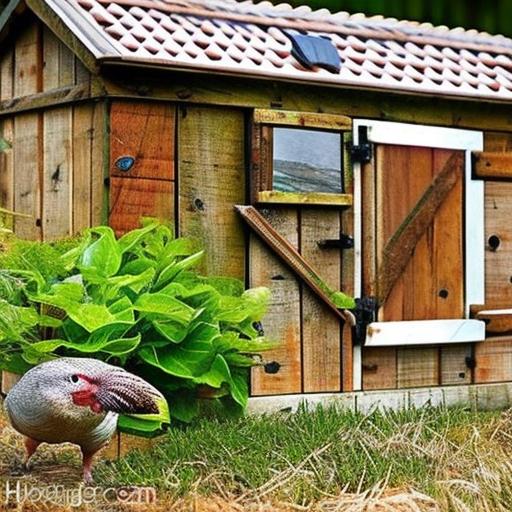
Picture this: a peaceful homestead filled with clucking chickens happily pecking at the ground, entirely unaware of the predators that lurk nearby. Keeping predators away from chickens is a crucial aspect of raising these feathered friends,as the risk of losing them to hungry eyes is always present. In this article,we will delve into the various methods and strategies that can be employed to ensure the safety and security of your flock. So sit back, grab a cup of tea, and let’s explore the world of predator protection for chickens.
Table of Contents
Best Practices for Securing Chicken Coops
Secure your chicken coop with these best practices:
- Install sturdy hardware cloth around the coop to keep predators out.
- Use padlocks or heavy-duty latches on doors to prevent easy access.
- keep the coop clean and free of food scraps to deter predators.
- Consider installing a motion-activated light or alarm to scare off potential threats.
Here are some natural methods to keep predators away from your chickens:
- Keep a rooster in the flock to alert the hens of danger.
- Use plants like lavender, mint, or marigolds around the coop to repel predators.
- Set up decoys or scarecrows to deter curious animals from approaching.
- Consider getting a livestock guardian animal,such as a dog or llama,to protect your chickens.
Natural Deterrents to Keep Predators at Bay
When it comes to protecting your flock of chickens from predators, natural deterrents can be incredibly effective. One common method is to use strong-smelling herbs and plants around the coop and run area to deter predators. Plants like lavender, mint, and rosemary can help keep predators at bay due to their potent scents that predators find unpleasant. Additionally, planting thorny bushes like blackberry or raspberry can create a physical barrier that predators are less likely to try and navigate through.
Another natural deterrent to consider is using predator urine around the perimeter of the chicken coop.Predators like foxes, coyotes, and raccoons will be hesitant to come near the area if they smell the scent of a larger predator. You can purchase predator urine from outdoor supply stores or online to help keep predators away from your chickens. Remember to reapply the urine regularly, especially after rain, to ensure its effectiveness.
Effective Predator-Proofing Strategies for Chicken Owners
Protecting your flock from predators is crucial for any chicken owner. There are several effective strategies you can implement to keep your chickens safe:
- Secure Coop: Make sure your chicken coop is sturdy and predator-proof, with no holes or gaps that can be accessed by predators.
- Electric Fencing: Installing an electric fence around your coop can be an effective deterrent for predators like raccoons, foxes, and coyotes.
- Guard Animals: Consider getting a guard dog or a livestock guardian animal to protect your flock from predators.
| Method | Effectiveness |
| Secure Coop | Highly Effective |
| Electric fencing | Effective |
| Guard Animals | Very Effective |
By implementing these predator-proofing strategies, you can ensure that your chickens are safe and protected from potential threats. Remember, prevention is key when it comes to keeping your flock safe from predators.
Understanding the Psychology of Predators to Safeguard Your Flock
Understanding the psychology of predators is crucial in safeguarding your precious flock of chickens. By knowing what attracts predators and how they think, you can better protect your birds and ensure their safety.
One of the key factors that keeps predators away from chickens is a strong and secure coop.Predators are less likely to attempt an attack if they cannot easily access the chickens. Additionally, implementing scare tactics such as motion-activated lights or sound machines can help deter predators from entering your chickens’ space. consistent vigilance and strategic planning are essential in keeping your flock safe from potential threats.
Q&A
Q: What are some common predators that threaten chickens?
A: Predators such as foxes, raccoons, hawks, and dogs are known to pose a threat to chickens.
Q: How can chickens be protected from these predators?
A: Installing fences, secure shelters, and using scare tactics like predator decoys can help deter predators from attacking chickens.
Q: Are there any natural methods to keep predators away from chickens?
A: Some natural methods include keeping a guard animal like a dog or llama with the chickens, using aromatic herbs and flowers to repel predators, and practicing good husbandry to minimize attracting predators.
Q: What role do environmental factors play in keeping predators away from chickens?
A: Factors such as lighting, noise level, and visibility can all affect the likelihood of predators attacking chickens. Creating a well-lit and noise-filled environment can definitely help deter predators.
Q: How significant is it to consistently monitor and update predator prevention measures?
A: It is crucial to regularly evaluate and update predator prevention measures to ensure the safety of the chickens. predators are constantly adapting, so it is important to stay one step ahead.
In Conclusion
protecting your chickens from predators is essential for their safety and well-being. By implementing strategies such as securing coop fencing,using deterrents like motion-activated lights and noise machines,and employing guardian animals,you can successfully keep these feathered friends safe from harm. Remember, a little extra effort in predator prevention can go a long way in ensuring a peaceful and predator-free environment for your cherished chickens. So, be vigilant, be proactive, and watch your flock thrive in their protective haven. Happy chicken-keeping!

Meet Walter, the feathered-friend fanatic of Florida! Nestled in the sunshine state, Walter struts through life with his feathered companions, clucking his way to happiness. With a coop that’s fancier than a five-star hotel, he’s the Don Juan of the chicken world. When he’s not teaching his hens to do the cha-cha, you’ll find him in a heated debate with his prized rooster, Sir Clucks-a-Lot. Walter’s poultry passion is no yolk; he’s the sunny-side-up guy you never knew you needed in your flock of friends!
Related posts:
 10 Foolproof Tips for Safeguarding Your Free-Range Chickens from Predators
 Keep Your Chickens Safe: Tips for Keeping Raccoons Out of the Coop
Uncovering the Truth: Do Raccoons Pose a Threat by Digging Under Chicken Coops?
Protecting Your Precious Poultry: Strategies to Safeguard Against Hawks and Keep Your Chickens Safe from Predators
Keep Your Chickens Safe: Tips for Keeping Raccoons Out of the Coop
Uncovering the Truth: Do Raccoons Pose a Threat by Digging Under Chicken Coops?
Protecting Your Precious Poultry: Strategies to Safeguard Against Hawks and Keep Your Chickens Safe from Predators