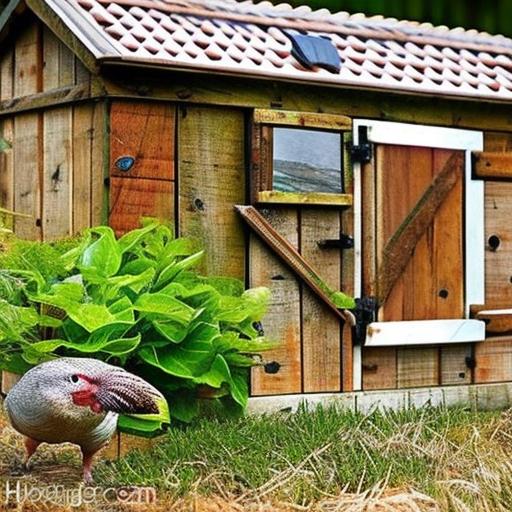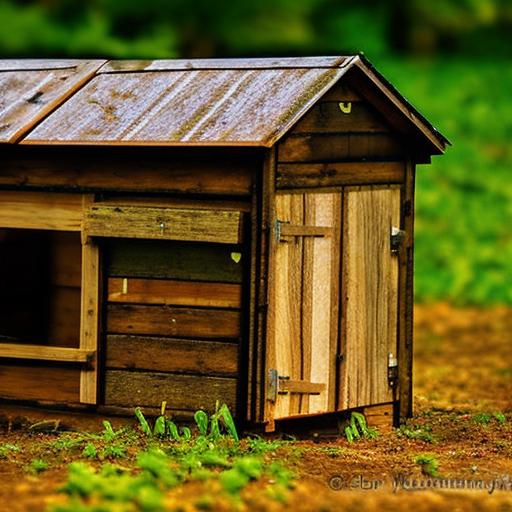
When it comes to raising chickens, choosing the right housing for your feathered friends is essential. From cozy coops to spacious runs, the options for where to keep chickens are as diverse as the birds themselves. In this article, we will explore the different types of housing available to ensure your chickens are happy, healthy, and comfortable in their new home.
Table of Contents
Creating the Perfect Coop for Your Chickens
When it comes to , there are a few critically important factors to consider to ensure their health and happiness. One key aspect is the size of the coop – chickens need plenty of space to move around and stretch their wings. A good rule of thumb is to provide at least 4 square feet of space per bird inside the coop, and 10 square feet per bird in the outdoor run.
Another crucial element is ventilation – chickens are sensitive to heat and humidity, so it’s essential to have good airflow in the coop. You can achieve this by adding windows that can be opened and closed, or installing vents near the roof. Additionally, make sure to provide plenty of nesting boxes for your chickens to lay their eggs in, as well as roosting bars for them to perch on at night. Keeping their living space clean and well-maintained is also important for their overall health and well-being.
Ideal Materials for Coop Construction
When it comes to building a chicken coop, choosing the right materials is crucial for the health and safety of your feathered friends.Wood is a popular choice due to its natural insulation properties and durability. Cedar and redwood are great options as they are resistant to rot and pests, while plywood is a cost-effective choice. Wire mesh is essential for ventilation and protection against predators. Opt for galvanized wire with small openings to keep out pests like snakes and rodents.
metal roofing is ideal for keeping your coop dry and protected from the elements. It is indeed durable, long-lasting, and easy to maintain. Recycled or repurposed materials can also be a sustainable option for coop construction. Old pallets can be used for walls, while plastic barrels can be repurposed as nesting boxes. Remember to always prioritize safety and comfort when choosing materials for your chicken coop.
Essential features to Include in Your Chicken Enclosure
When designing a chicken enclosure, there are several essential features that you should consider to ensure the health and safety of your feathered friends. One important feature to include is proper ventilation. chickens produce a lot of moisture and ammonia in their droppings, which can lead to respiratory issues if not properly ventilated. Make sure to include windows or vents in your enclosure to promote good air circulation.
Another crucial feature for your chicken enclosure is adequate space. Chickens need room to roam and exercise, so be sure to provide at least 4 square feet of space per bird inside the coop, and even more space in the outdoor run. Providing enough space will help prevent overcrowding and reduce the risk of aggression and feather pecking among the flock. Additionally,consider adding roosting bars,nesting boxes,and a secure door to keep your chickens safe from predators. By incorporating these essential features into your chicken enclosure, you can create a healthy and happy environment for your feathered companions.
Space requirements and Design Considerations for Chicken Housing
When it comes to housing your chickens, there are several critically important space requirements and design considerations to take into account. First and foremost, be sure to provide enough space for your chickens to roam and exercise. A cramped living environment can lead to stress and health issues for your flock. Consider the following guidelines when determining how much space your chickens will need:
- Indoor Space: Each chicken should have a minimum of 2-3 square feet of indoor space in the coop.
- Outdoor Space: Provide at least 8-10 square feet of outdoor space per chicken to ensure they have room to forage and explore.
- Nesting Boxes: Include 1 nesting box for every 3-4 hens to accommodate egg-laying.
Additionally, consider the layout and design of the chicken coop to ensure optimal functionality and ease of cleaning. A well-designed coop will not only keep your chickens safe and comfortable but will also make your life as a chicken owner much easier. Make sure to incorporate features such as proper ventilation, easy access to food and water, and secure entrances to keep predators out. By prioritizing the space requirements and design considerations for your chicken housing, you can create a happy and healthy environment for your feathered friends.
Q&A
Q: What is the best type of housing for chickens?
A: The best type of housing for chickens is a secure coop that provides protection from predators and the elements.
Q: What materials should I use to build a chicken coop?
A: You can build a chicken coop using a variety of materials, such as wood, metal, or plastic.Just make sure it is sturdy and easy to clean.
Q: How much space do chickens need in their housing?
A: Chickens need at least 4 square feet of space per bird in their housing to ensure they have enough room to move around and be comfortable.
Q: Do I need to provide nesting boxes for my chickens?
A: Yes, nesting boxes are essential for chickens to lay their eggs in a safe and clean environment. Make sure to provide at least one nesting box for every 3-4 hens.Q: Should I provide my chickens with a roosting bar?
A: Yes, chickens need a roosting bar to sleep on at night. Make sure it is higher than the nesting boxes to prevent them from sleeping in the nests.
Q: How important is ventilation in a chicken coop?
A: Proper ventilation is crucial in a chicken coop to prevent respiratory issues and keep the air fresh and clean. Make sure to provide vents near the top of the coop for optimal airflow.
Q: Can I use a chicken tractor rather of a traditional coop?
A: Yes,a chicken tractor is a mobile housing option for chickens that allows them to graze on fresh grass while still being protected. Just make sure to move it regularly to prevent overgrazing.
To Wrap it Up
when it comes to keeping chickens, there are a variety of options to choose from when deciding on the best housing for your feathered friends. Whether it’s a traditional coop, a spacious chicken tractor, or a DIY repurposed structure, the key is to provide a safe, comfortable, and secure environment for your flock. By considering factors such as size, materials, and predator protection, you can create a home that meets the needs of both you and your chickens. So go ahead and get creative with your chicken housing, and watch your flock thrive in their new abode!

Meet Walter, the feathered-friend fanatic of Florida! Nestled in the sunshine state, Walter struts through life with his feathered companions, clucking his way to happiness. With a coop that’s fancier than a five-star hotel, he’s the Don Juan of the chicken world. When he’s not teaching his hens to do the cha-cha, you’ll find him in a heated debate with his prized rooster, Sir Clucks-a-Lot. Walter’s poultry passion is no yolk; he’s the sunny-side-up guy you never knew you needed in your flock of friends!