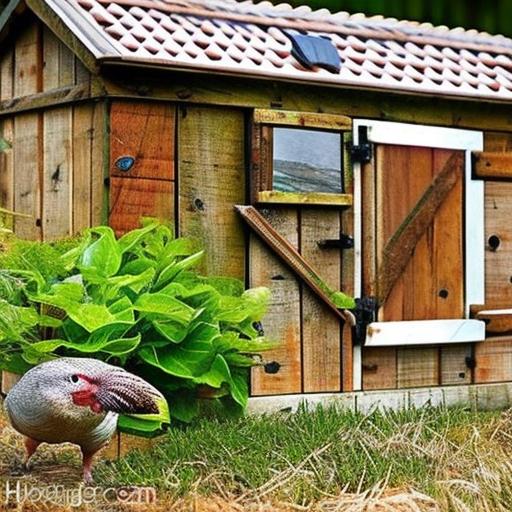
In the quiet tranquility of a free range chicken coop, the threat of a swooping hawk can shatter the peace in an instant.For those who raise chickens in open pasture, the predatory presence of hawks looms large. But fear not, for there are strategies to keep these majestic yet menacing birds of prey at bay.By implementing a few simple tactics, you can ensure the safety and security of your flock. let us explore the art of deterring hawks from your free range chickens, and enjoy the harmonious coexistence of feathered friends in your idyllic farm setting.
Recognizing the Threat: Understanding Hawk Behavior and Predatory Techniques
Hawks can pose a significant threat to free-range chickens, as they are skilled predators with unique hunting techniques. Understanding hawk behavior is crucial in protecting your flock from potential attacks. Hawks are known for their sharp talons, keen eyesight, and swift flying abilities, making them formidable hunters.
One method to keep hawks away from your chickens is to provide adequate cover and hiding spots in their outdoor area. This can include dense shrubbery, tall grass, or structures such as chicken coops or shelters. Additionally, utilizing scare tactics like decoy predators, reflective objects, or even noise-making devices can deter hawks from targeting your chickens. It’s significant to be proactive in recognizing signs of hawk presence and taking necessary precautions to safeguard your flock.
Implementing physical Deterrents: creating Safe Spaces for Free Range Chickens
One effective way to keep hawks away from free range chickens is by implementing physical deterrents around their coop and run. By creating safe spaces for the chickens to roam freely without the fear of being attacked by hawks, you can ensure their safety and well-being.
some physical deterrents that can be used include:
- Netting: Install bird netting over the chicken coop and run to prevent hawks from swooping down and attacking the chickens.
- Roofing: Add a roof to the chicken coop to provide extra protection from aerial predators like hawks.
- Scarecrow: Place a scarecrow near the coop to deter hawks from coming too close to the chickens.
Utilizing Visual and Auditory Deterrents: Scare Tactics to Keep Hawks at Bay
When it comes to protecting your free-range chickens from hawks, utilizing visual and auditory deterrents can be an effective strategy. By implementing scare tactics, you can create a opposed environment for hawks, ultimately keeping them at bay.
One effective visual deterrent is to hang shiny objects such as CDs or tin foil strips near your chicken coop. The reflective surfaces will confuse and intimidate hawks, making them less likely to swoop in for an easy meal. Additionally, setting up scarecrows or fake predators like owls can also help deter hawks from targeting your chickens.
Employing Guardian Animals: How Livestock Can Help Protect Free Range Chickens
Guardian animals are an effective way to protect free range chickens from predators such as hawks. By employing animals like dogs, llamas, or donkeys, you can create a barrier of protection around your flock. These guardian animals have a natural instinct to protect their territory and will actively deter predators from coming near the chickens.
Another method to keep hawks away from free range chickens is to provide them with adequate shelter. Building covered areas where the chickens can seek refuge from aerial predators will help minimize the risk of attacks. Additionally, using visual deterrents such as shiny objects or scarecrows can also help deter hawks from targeting your flock.
Q&A
Q: Why is it important to keep hawks away from free range chickens?
A: Hawks are natural predators of chickens and can easily swoop down and snatch one up for a speedy meal.
Q: What are some effective methods to deter hawks from attacking chickens?
A: Installing scare devices such as fake predators or reflective objects, enclosing chickens in covered runs during high-risk times, and keeping watchful eye on the sky are all effective ways to keep hawks at bay.
Q: Are there any natural predators of hawks that can help protect free range chickens?
A: Some farmers use guard animals like dogs or even other birds of prey, such as owls, to help protect their chickens from hawks.
Q: How can chicken owners ensure the safety of their flock while still allowing them to free range?
A: by implementing a combination of preventative measures, such as using secure fencing, providing adequate shelter, and regularly checking for signs of hawk activity, chicken owners can help protect their flock while still allowing them to free range.
Q: Are there any legal restrictions on deterring hawks from attacking free range chickens?
A: It is important to check with local wildlife authorities before implementing any deterrent methods,as some birds of prey,including hawks,are protected under federal law.
Concluding Remarks
protecting your free-range chickens from hawks may require some effort and creativity,but the well-being of your feathered friends is worth it. By implementing the strategies outlined in this article, you can help ensure that your chickens can roam freely without fear of winged predators. Remember to stay vigilant and adapt your methods as needed to keep your flock safe and happy.with a little foresight and perseverance, you can create a safe haven for your chickens to thrive in harmony with nature. So go forth and defend your flock from those soaring threats, and may your chickens live long and cluck happily ever after.

Meet Walter, the feathered-friend fanatic of Florida! Nestled in the sunshine state, Walter struts through life with his feathered companions, clucking his way to happiness. With a coop that’s fancier than a five-star hotel, he’s the Don Juan of the chicken world. When he’s not teaching his hens to do the cha-cha, you’ll find him in a heated debate with his prized rooster, Sir Clucks-a-Lot. Walter’s poultry passion is no yolk; he’s the sunny-side-up guy you never knew you needed in your flock of friends!
Related posts:
 How to Safeguard Your Chickens from Hawks: Effective Strategies for Bird Predation
Successfully Deter Hawks from Your Chickens: Tips and Tricks
New Title: “6 Clever Ways to Safeguard Your Chickens from Hawks
10 Foolproof Strategies to Protect Your Chickens from Foxes – The Best Way to Keep Predators at Bay!
How to Safeguard Your Chickens from Hawks: Effective Strategies for Bird Predation
Successfully Deter Hawks from Your Chickens: Tips and Tricks
New Title: “6 Clever Ways to Safeguard Your Chickens from Hawks
10 Foolproof Strategies to Protect Your Chickens from Foxes – The Best Way to Keep Predators at Bay!