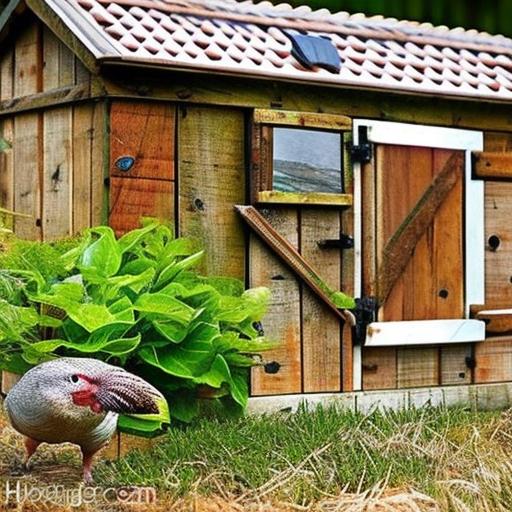
As the sun dips below the horizon and darkness begins to settle over your farm, you may find yourself pondering a question: should I put a light in my chicken coop? As a poultry owner, the decision to illuminate your feathered friends’ living quarters can raise questions about their well-being, productivity, and overall comfort. Let’s shed some light on this debate and explore the potential benefits and drawbacks of adding a little brightness to your coop.
Table of Contents
Benefits of Installing a Light in Your Chicken Coop
Installing a light in your chicken coop can have several benefits for both you and your feathered friends. One of the main advantages is that it can definitely help increase egg production during the winter months when daylight hours are limited. Providing artificial light can help maintain a consistent light cycle, which can stimulate hens to lay eggs more regularly.
Another benefit of having a light in your chicken coop is that it can help deter predators. Light can make it easier for you to keep an eye on your flock at night and can discourage nocturnal predators from approaching the coop. additionally,having a light in the coop can make it easier for you to check on your chickens at night and provide any necessary care.
Factors to consider Before Adding Light to Your Chicken Coop
Before deciding whether or not to add light to your chicken coop, ther are several important factors to consider. First and foremost, you should think about the natural lighting conditions in your area. If your coop receives plenty of sunlight during the day, artificial lighting may not be necessary. However, if your coop is located in a shady area or if you live in a region wiht short daylight hours, adding a light source can help ensure that your chickens have enough light to maintain their health and productivity.
Another important factor to consider is the type of light you plan to use in your chicken coop. LED lights are energy-efficient and long-lasting, making them a popular choice for poultry farmers. Warm white lights can provide a cozy and inviting atmosphere for your chickens, while cool white lights can definitely help stimulate egg production. It’s also important to position the light source correctly within the coop to ensure that all areas are evenly illuminated. By carefully considering these factors,you can create a comfortable and well-lit environment for your feathered friends.
Recommended Lighting Options for Your Chicken Coop
One option for lighting in your chicken coop is to install LED lights. LED lights are energy-efficient, long-lasting, and provide a shining source of light for your chickens. They also produce minimal heat, making them safe to use in a confined space like a coop. Another option is to use solar-powered lights,which are environmentally kind and cost-effective in the long run. these lights can be placed strategically around the coop to ensure that all areas are well-lit.
Additionally, consider using a timer to control when the lights are on and off in the coop. This can help mimic natural daylight hours,which is important for maintaining the health and egg production of your chickens. It’s also a good idea to install a dimmable light fixture in case you need to adjust the brightness levels based on the season or the age of your chickens. Don’t forget to regularly clean your light fixtures to ensure optimal performance and longevity.
Ensuring Proper Light Exposure for Healthy Chickens
When it comes to , adding a light to your chicken coop can be a helpful solution. A consistent light source can definitely help regulate their internal clocks, ensuring they have enough light to lay eggs regularly and stay active. Chickens typically need around 14-16 hours of light per day to maintain optimal health and productivity.
When deciding whether to add a light to your chicken coop, consider the following factors:
- Choose a light source that emits natural light, such as a full spectrum bulb.
- Position the light source in a way that mimics the natural rise and set of the sun.
- Monitor the light exposure to ensure it does not disrupt their natural sleep patterns.
Q&A
Q: Should I put a light in my chicken coop?
A: Wondering whether to shed light on your feathered friends? Here’s what you need to know.
Q: Why would I need a light in my chicken coop?
A: adding a light can help regulate egg production during the darker months and keep your chickens comfortable.
Q: What kind of light should I use?
A: A red bulb is best as white light can disrupt their natural sleeping patterns.Q: How long should I keep the light on?
A: An average of 14 hours of light per day is recommended to mimic the natural daylight cycle.
Q: Will a light increase my energy costs?
A: Yes, but the increase in egg production may offset the added cost.
Q: can I use a timer for the light?
A: Yes, a timer can definitely help ensure consistent lighting for your chickens.
Q: Are there any downsides to adding a light to the coop?
A: Some experts suggest that hens benefit from a natural rest period in the winter months without artificial lighting.
Q: Is it safe to leave the light on overnight?
A: It is advisable to turn the light off at night to allow chickens their natural rest periods.
Q: How will putting a light in my coop affect my chickens’ behavior?
A: Some chickens may become more active with increased light, so monitor their behavior closely.
Insights and Conclusions
whether or not to put a light in your chicken coop ultimately depends on your specific circumstances and the needs of your flock. While providing supplemental lighting can help increase egg production during the winter months, it is important to consider the potential drawbacks such as disrupting the natural sleep cycle of your chickens.
Before making a decision, it is indeed always best to research the topic thoroughly and consult with experienced chicken keepers to determine the best course of action for your coop. Remember, the well-being and health of your chickens should always be the top priority. Thank you for taking the time to explore this topic with us, and we wish you and your feathered friends all the best in your coop adventures!

Meet Walter, the feathered-friend fanatic of Florida! Nestled in the sunshine state, Walter struts through life with his feathered companions, clucking his way to happiness. With a coop that’s fancier than a five-star hotel, he’s the Don Juan of the chicken world. When he’s not teaching his hens to do the cha-cha, you’ll find him in a heated debate with his prized rooster, Sir Clucks-a-Lot. Walter’s poultry passion is no yolk; he’s the sunny-side-up guy you never knew you needed in your flock of friends!
Related posts:
 Transform Your Shed into a Cozy Chicken Haven: A Step-By-Step Guide on Converting Your Space
DIY Chicken Coop: Step-by-Step Guide on Building a Coop Using Pallets
Chicken Coop Building Made Simple: A Beginner’s Guide to Constructing an Easy Coop
Unlocking the Secrets: How to Build a Durable Wooden Chicken Coop Door
Transform Your Shed into a Cozy Chicken Haven: A Step-By-Step Guide on Converting Your Space
DIY Chicken Coop: Step-by-Step Guide on Building a Coop Using Pallets
Chicken Coop Building Made Simple: A Beginner’s Guide to Constructing an Easy Coop
Unlocking the Secrets: How to Build a Durable Wooden Chicken Coop Door